Europe's EV Boom Creates a Body Parts Bottleneck
Across the European Union, electric vehicles have moved from policy ambition to market reality. New EV registrations now exceed 30 percent of all new car sales in countries like Norway, the Netherlands, Sweden, Germany and the United Kingdom, and the EU average has climbed past 22 percent in early 2026. That mass adoption has triggered a problem few dealers or insurers planned for: a structural shortage of EV-specific body parts in the independent repair channel. Chinese brands — already on the road in volume through BYD, MG, Polestar and Chery — are stepping into the gap.
Europe's EV Boom Creates a Body Parts Bottleneck
The independent aftermarket has always served European drivers through a deep network of parts wholesalers, distributors and collision shops. That ecosystem was built around decades of internal-combustion platform data: bumper dimensions, fender profiles, mirror mounting patterns, grille geometries. Each new ICE model from Volkswagen, Stellantis, Renault or Hyundai would feed a steady stream of replacement work into the aftermarket within 18 to 36 months of sale.
The EV transition has broken that timing. European EV sales are growing so quickly that independent body parts catalogues have not caught up. A typical independent workshop in Germany or the Netherlands today cannot reliably source EV-specific front bumpers, body panels or sensor-compatible mirror assemblies for the BYD Atto 3, MG ZS EV, Polestar 2 or Chery Omoda 5 — even though those vehicles are already common on local streets.
Why Electric Vehicle Parts Need Different Body Parts
An EV body parts catalogue is not just a re-skinned ICE catalogue. Electric vehicle parts come with structural and electronic differences that show up in almost every body panel:
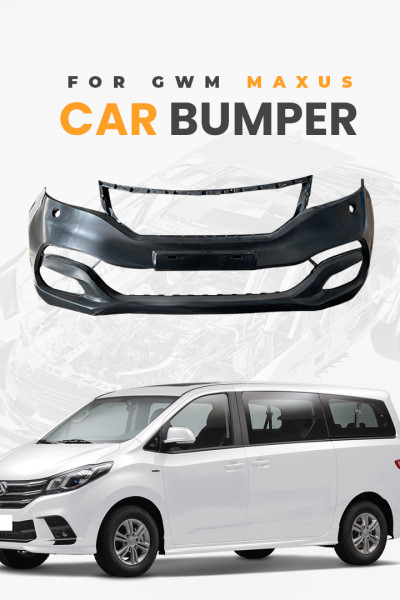
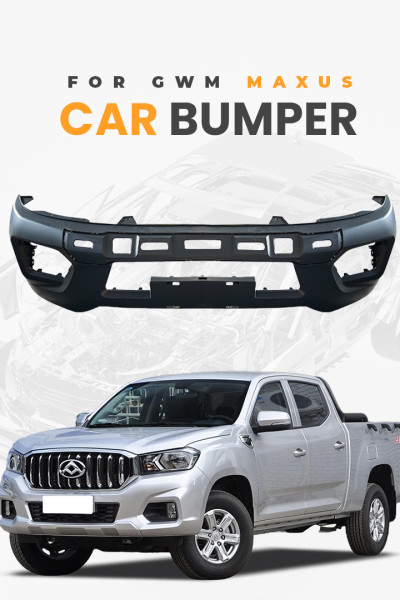
- Radar-permeable front bumper covers with embedded ACC sensor mounting tabs
- Aluminium and composite mix in fenders and hoods for range extension
- Sensor-equipped wing mirrors with blind-spot radar hardware
- Charge-port integrated body panels with sealing and locking hardware
- Lighter-weight composite tailgates with integrated camera mounts
These constraints force workshops to source OEM-spec electric vehicle parts from suppliers that understand the sensor positioning and the material specifications. A generic aftermarket replacement panel that ignores radar and camera placement will throw ADAS calibrations off and create insurance claim disputes.
The EV Aftermarket is Growing at 22% CAGR
The numbers behind this shift are striking. The European EV aftermarket is projected to grow at a 22 percent compound annual growth rate through 2030, driven by both the rapidly expanding EV parc and the relative shortage of independent EV body parts supply. For context, the broader European automotive aftermarket has historically grown at 3 to 4 percent per year — so the EV category is growing roughly five times faster than the wider market.
For distributors and importers, that growth rate is a strong commercial signal: capacity committed now will be operating in a structurally tight supply market within a very short time. Independent workshops, insurers and fleet operators are all scrambling to secure reliable EV aftermarket supply contracts, and the chinese auto brands are increasingly the only scalable source.
Chery Spare Parts Move Into Europe
Chery's return to Europe under the Omoda and Jaecoo brands has brought with it a small but rapidly growing body parts opportunity. The Omoda 5, Omoda 7 and Jaecoo 7 SUVs are sold in markets including the United Kingdom, Spain, Italy, Poland and the Netherlands, and each one needs chery spare parts in the independent repair channel once the warranty book runs out.
The opportunity is particularly acute in markets where Chery has priced its vehicles aggressively and where owners are cost-sensitive about repairs. A chery spare parts catalogue that includes EV-aware bumpers, grilles, mirror assemblies and tailgates can capture the bulk of collision jobs for these vehicles within two to three model years.
BYD Spare Parts Drive EV Body Parts Volume
BYD's European retail footprint has grown rapidly, with the Atto 3, Dolphin, Seal, Seal U and Han models sold in volume in Germany, the United Kingdom, France, Belgium, the Netherlands, Sweden and Denmark. As those vehicles age out of warranty, the demand for byd spare parts — particularly body parts — will accelerate dramatically.
BYD's design language makes its body parts particularly distinctive. The closed front grille, the slim LED headlamp signature and the flush door handles are all model-specific and not interchangeable with anything else on the European market. That means every collision is a bespoke parts job, and the workshops that stock byd spare parts early will be the ones that capture the long tail of recurring body repair work.
Bumper Sensor Compatibility is the Defining EV Aftermarket Issue
If there is one technical issue that defines the EV aftermarket right now, it is bumper sensor compatibility. Modern EV bumpers carry front radar units, parking sensors, side radar for blind-spot monitoring and camera wash systems. A bumper that does not correctly position those sensors will trigger ADAS fault codes and potentially disable safety features.
That is why chinese auto brands like BYD, MG and Chery have invested heavily in radar-permeable materials and certified bumper geometry. Workshops that buy EV-spec bumper replacements from these chinese auto brands can complete the job correctly without sending the customer back for a calibration appointment.
Lightweight Panels Drive Range Optimization
Another defining feature of EV body parts is the shift toward lightweight panels. Because every kilogram of body weight reduces EV range, automakers are increasingly specifying aluminium hoods, composite tailgates and plastic-aluminium hybrid fenders. These panels cost more than the steel parts they replace, but they also create meaningful margin opportunities for distributors.
Distributors who can supply the lightweight panel SKUs for BYD, MG and Chery EVs will be offering a service that traditional steel-only aftermarket competitors cannot match. The premium pricing of these panels reflects the engineering that goes into them — and the value they protect for the EV owner.
EV Aftermarket Service Network Opportunities
Beyond the parts themselves, the EV aftermarket also creates service network opportunities. Independent shops that commit to EV training, ADAS calibration equipment and high-voltage safety protocols can position themselves as the preferred repair destination for chinese brand EVs. OOZOM's distributor partners in Europe are already seeing enquiries from shops that want both parts supply and technical backup.
This combination — parts plus service — is where the EV aftermarket will consolidate over the next five years. Distributors who offer only parts will compete on margin alone, but those who can pair parts supply with technical reference material and fitting guidance will own the relationship.



Source chinese EV body parts across Europe through the OOZOM app.
Conclusion: OOZOM as an EV Body Parts Partner for Europe
Europe's EV transition is a once-in-a-generation structural shift in the aftermarket, and chinese auto brands are the only suppliers with the catalogue depth to keep independent workshops supplied as the EV parc grows. OOZOM supplies sensor-aware EV body parts across 21 chinese auto brands — including the BYD, Chery and MG ranges leading the European EV charge — with a minimum order quantity of just one unit and consolidated European routing from a 50,000-square-metre warehouse. Distributors and importers can start with a focused EV body parts starter pack, scale as the parc ages, and become the default supplier for independent EV workshops in their region.