The Complete Fuel Filter Guide for Latin American Workshops
Across Brazil, Mexico, Argentina, Colombia, and Chile, the independent workshop supplies market is the backbone of vehicle uptime. Fleet operators, ride-share drivers, and family motorists rely on neighbourhood mechanics to keep their vehicles running on roads that range from São Paulo gridlock to Andean mountain passes. Among the routine service items that define the difference between a trusted workshop and a struggling one, the fuel filter sits near the top of the list. This guide is written for workshop owners, service managers, and parts buyers of Latin America auto aftermarket who want to deliver measurable improvements in fuel efficiency and car maintenance outcomes through smarter filter selection.
Why the Fuel Filter Matters More Than Most Workshops Realise
The fuel filter is the silent guardian of every fuel injection system. It traps particulates, water, and varnish before they reach injectors, the high-pressure pump, and the engine management sensors. In Latin American markets, the fuel itself creates unique challenges: ethanol-blended gasoline is standard in Brazil (E27) and Paraguay, oxygenated fuels are common in Mexico and Colombia, and diesel quality varies dramatically across the region. When a filter fails prematurely, the downstream damage is severe: scored injector nozzles, premature high-pressure pump wear, and turbocharger failures on modern common-rail diesels.
How Ethanol-Blended Fuels Stress Filter Design
Ethanol attracts water, accelerates corrosion of ferrous components, and breaks down certain filter media faster than pure gasoline. Brazilian workshops see filter failures at higher rates than markets with non-oxygenated fuels, and the failure mode is usually media degradation rather than simple clogging. This means an auto fuel filter designed for ethanol-blended fuels needs binder-resistant media and corrosion-proof end caps, not just higher dirt-holding capacity. In Mexico, the shift toward ultra-low-sulfur diesel for common-rail systems has introduced new challenges with lubricity.
Choosing the Right Filter Specification for the Job
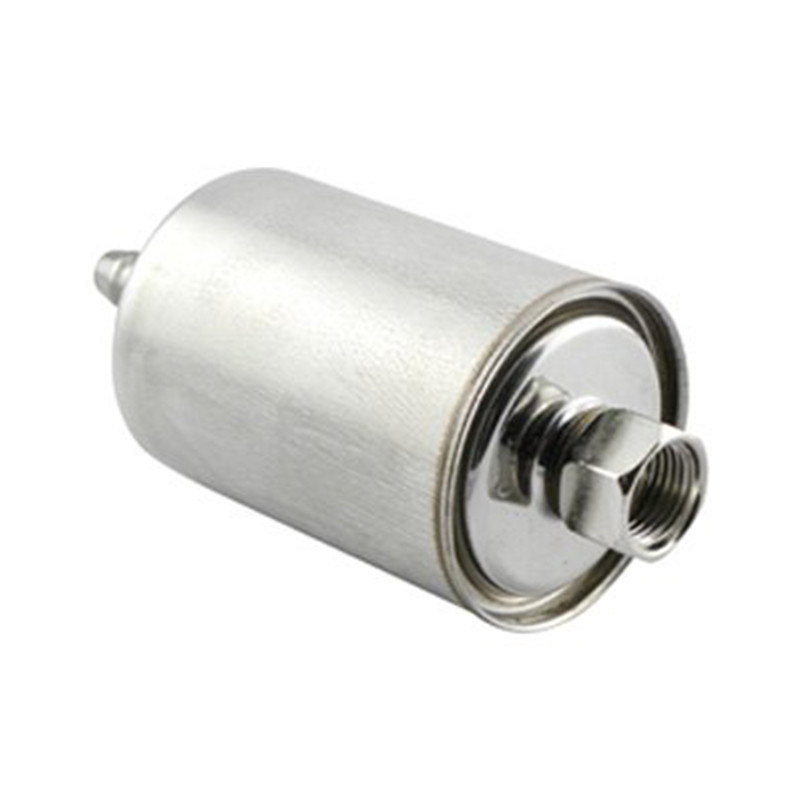
Not all filters are created equal, and the cheapest option is almost always the most expensive in the long run. When evaluating fuel filter options, the following specifications matter most: micron rating (10 microns absolute minimum for GDI engines, 5 microns preferred); water separation efficiency (95%+ for ethanol-blended fuels); media type (synthetic pleated media outperforms cellulose); seal integrity (nitrile or fluoroelastomer seals rated for ethanol exposure); and pressure rating verified above system operating pressure.
Service Intervals That Match Latin American Driving Conditions
OEM service intervals are calibrated for temperate climates and clean fuels. In Latin America auto markets, real-world conditions are harsher. Ethanol-blended fuel markets: replace every 15,000 km instead of 30,000 km. Dusty inland or unpaved-road operation: shorten to 10,000 km. Heavy urban traffic with extended idling: 20,000 km maximum. Diesel commercial vehicles in mining or agricultural duty: every 500 hours or 20,000 km.
The 10-Minute Fuel Filter Service: High-Margin Workshop Revenue
A well-organised fuel filter service is one of the highest-margin, fastest-turnover jobs in any workshop. The work takes roughly ten minutes for an in-line filter. Build the service as a fixed-price package rather than an open-ended hourly rate, and you create predictable revenue and customer clarity. Stock the most common fuel filter part numbers for the vehicles you service most frequently — every part on the shelf should turn over at least four times a year.
Training Technicians on Filter-Related Diagnostic Skills
Filter replacement is the easy part. The real value a workshop delivers is the diagnosis that justifies the replacement. Symptoms of restricted fuel filter flow include hesitation under acceleration, engine misfire at idle, sudden loss of power under load, and difficulty starting after parking. Train technicians to check fuel pressure before and after filter replacement and document the readings on the service ticket.
Building Customer Trust Through Documented Service Records
Modern car maintenance customers, particularly the growing demographic of informed younger motorists in Brazil, Argentina, and Mexico, expect documentation. Every filter replacement should generate a printed or digital service record showing the part number installed, the date, the odometer reading, and the date the next replacement is due.
Common Mistakes Workshops Make With Fuel Filters
The same mistakes appear workshop after workshop across Latin America auto markets. First, fitting the cheapest available filter on a high-pressure direct injection engine, then wondering why the customer returns with rough idle six months later. Second, ignoring water-in-fuel indicators and only replacing the filter when the engine starts to misfire, by which point significant damage has already occurred. Third, failing to inspect the fuel lines and quick-connect fittings during filter service, missing slow leaks that waste fuel and create safety hazards.